Screen printing gets cheaper per shirt the more you order, which is exactly why it’s the standard choice for event tees, fundraiser shirts, and any run past a hundred pieces. The tradeoff is setup: each color in your design needs its own screen, so the process rewards simple, bold artwork over fine detail. If your business is ready to put together a bulk apparel quote, here’s how the process actually works, how pricing scales with quantity, and how to avoid the mistakes that drive the cost up unnecessarily.
How the Process Works, Step by Step
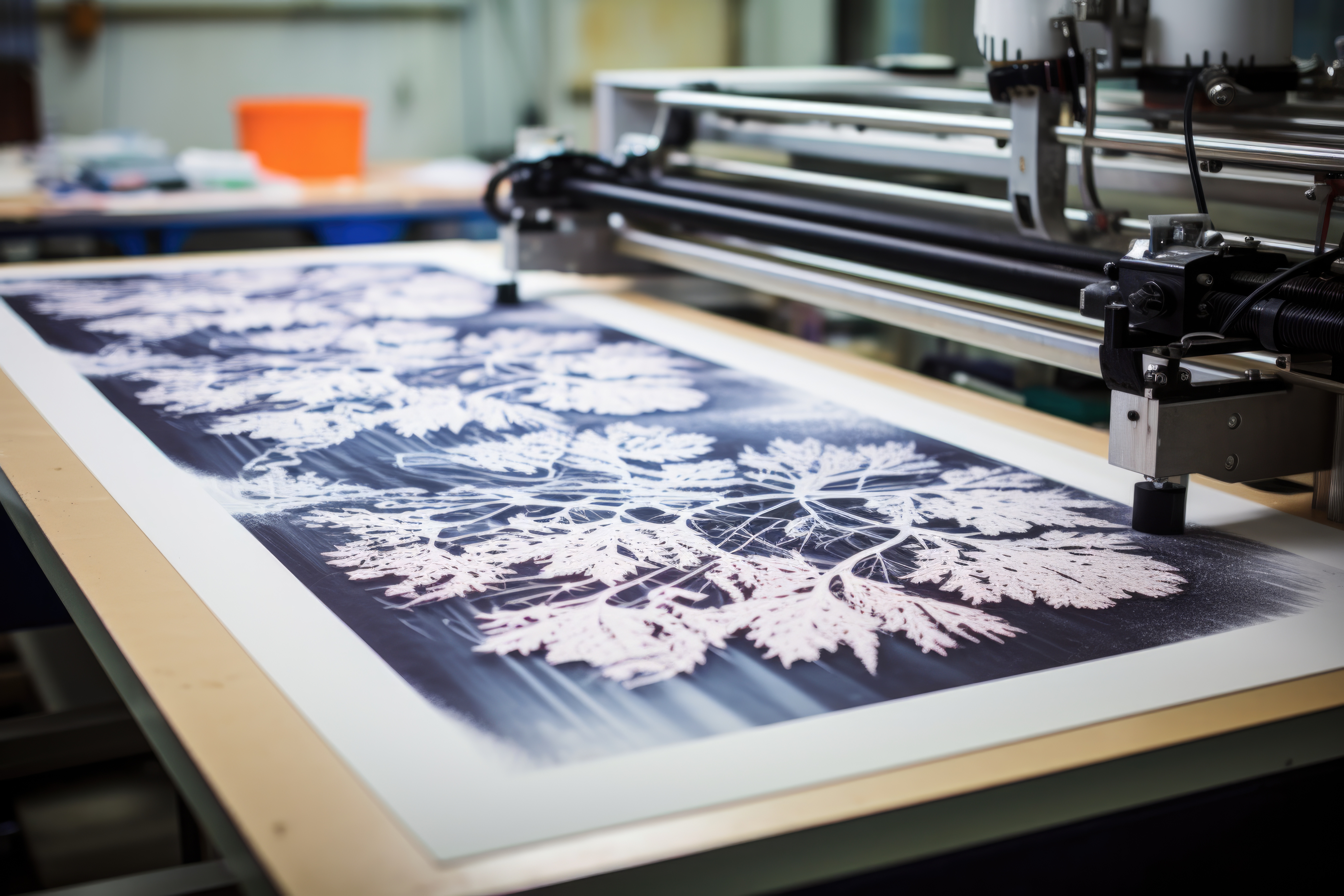
Your design is reviewed. Each color gets burned onto its own mesh screen. Ink is pushed through the screen and onto the shirt with a squeegee. The shirt gets cured under heat so the ink sets permanently and survives repeated washing. For a two-color logo, that’s two screens and two passes through the press. For a six-color photo-style design, that’s six passes, which is why complex artwork costs more and why most shops cap out around six colors on standard orders.
Why Twelve Pieces Is Usually the Minimum
Burning a screen takes real setup time regardless of whether you’re printing 12 shirts or 500. Below a certain volume, that setup cost outweighs the printing cost, which is why most shops set a 12-piece minimum per design. If your order is smaller than that, DTF printing skips the screen-burning step entirely and has no minimum, which makes it the better option for a sample run or a very small team. Our comparison of DTF vs screen printing breaks down exactly where that line falls for larger orders too.
Getting Your Brand Color Right
This method can match your exact Pantone color, but only if you give your printer the actual Pantone number, not just a description like navy blue. Send your brand guide with your quote request. Your printer should confirm the match on your proof before any screen gets burned, since fixing a color after printing means reprinting the whole run. This single step prevents most of the color disputes that come up after an order ships.
Fabric and Finish Matter More Than Most People Expect
Plastisol ink sits a little thicker on the fabric and gives bold, opaque color, which works well on dark garments. A softer water-based or discharge ink blends into the fabric for a lighter feel, better suited to lighter-colored shirts worn in hot weather, like a lot of event and spirit-day apparel. Ask which finish your printer recommends for your specific fabric and color combination before you approve your order, since the wrong ink choice can make a design feel stiff or heavy on the wrong fabric.
How It Holds Up Over Time
A well-cured print should survive dozens of washes without cracking or fading noticeably, provided the shirt is washed on a normal cycle and not bleached. Cheap, undercured prints are the usual culprit when customers complain about cracking fast, not the method itself. Ask whether your printer flash-cures each layer properly, especially on multi-color designs, since skipping that step is the most common shortcut that shortens a print’s lifespan.
Reordering Without Starting Over
Ask your printer whether they keep screens on file. Most do, typically for about a year. A reorder within that window skips the art setup and screen-burning fees entirely, so the same design costs less to reorder than it did to order the first time.
In-House Production vs Outsourced
Some shops burn screens and print in-house, start to finish. Others outsource part of the process to a separate production facility, which can add days to your timeline that aren’t obvious until your order is already running late. Ask directly whether your printer handles production on-site, especially if you’re working against a hard deadline, since an outsourced step is one more place an order can slip without anyone catching it in time to fix it.
Choosing a Screen Printing Partner
- Number of colors in your design, since each one needs its own screen
- Total order quantity, which spreads the setup cost thinner
- Ink type: plastisol for bold opaque color, water-based for a lighter feel
- Garment color, since dark fabric sometimes needs an added white underbase
- Whether your printer keeps screens on file for free setup on reorders
What This Method Is Best For
Screen printing earns its reputation on bulk, simple-design orders: pep rally tees, 5K fundraiser shirts, employee giveaway apparel, anything where you need hundreds of identical pieces fast and affordably. If your business regularly needs this kind of bulk apparel for seasonal campaigns or recurring events, working with one vendor who keeps your screens on file saves real money over a year of repeat orders. It’s a weaker fit for small teams, one-off samples, or anything with more than six colors, since the setup cost per color doesn’t make sense at low volume. Knowing which bucket your order falls into before you request a quote saves a round of back-and-forth with your printer.
Color Limits and When to Switch Methods
Six colors is the practical ceiling for most shops, not because the equipment can’t handle more, but because each additional color adds a screen, a pass through the press, and a chance for registration to drift slightly off. A logo with seven or eight flat colors can still be printed this way, it just costs more and takes longer to set up correctly. Anything with a gradient, a photograph, or genuinely unlimited color variation is better served by DTF Printing, which prints in full color with no added cost per color. A lot of businesses use both methods across one order: this process for the bulk of a run with a simple logo, and DTF for a smaller batch of a more detailed design.
Working With Rush Deadlines
Standard turnaround leaves little room for a last-minute event date, so it’s worth asking your printer about rush options before you need them, not after. Most shops can compress a 5 to 7 day timeline down to 2 or 3 days for an added fee, provided the order is simple enough and the press has capacity that week. Complex, multi-color designs are harder to rush, since each color still needs its own screen regardless of how quickly you need the shirts. If you know an event date is coming months out, placing the order early almost always beats paying a rush fee later.
The Bottom Line
If you’re still weighing whether screen printing or DTF printing fits your specific order better, our full breakdown of DTF vs screen printing compares both methods side by side on cost, durability, and turnaround. Screen printing itself is one of several methods under the broader umbrella of textile printing, a practice with roots going back centuries, and you can read more about that history on Wikipedia.
FAQs
What’s the minimum order for screen printing?
Most shops set a 12-piece minimum per design, since burning screens for a smaller order isn’t cost-effective for either side. Below that quantity, DTF printing is usually the better option, since it has no per-color setup cost and no minimum order. If you need exactly a handful of shirts, ask about DTF before assuming this method is your only option.
How many colors can a screen-printed design have?
Most shops handle up to six spot colors on standard garments, since each color needs its own screen and pass through the press. Beyond six colors, or for gradients and photo-realistic detail, DTF printing handles it more cost-effectively, since it prints unlimited colors in a single pass with no added setup. Ask your printer to flag any artwork that’s pushing past that six-color range before you approve a quote.
How long does a bulk order take?
Standard turnaround is typically 5 to 7 business days once your design and ink colors are approved on the proof. Larger orders in the thousands may take a bit longer simply due to press time, so confirm your exact timeline against your order size when you request a quote. Rush production is usually available if you have a hard deadline, like an event date that can’t move.
Will the print crack or fade over time?
Not if it’s cured properly. A well-cured print holds up through dozens of normal washes without cracking, provided it isn’t bleached or washed on high heat repeatedly. Most complaints about cracking come from undercured ink, not a flaw in the method itself. Ask your printer how they cure multi-color designs if durability is a priority for your order.